Servistar helps Sydney buyers find and compare independent inspection providers. Learn what affects the price, which checks depend on access and permission, what the report may miss, and what to confirm before booking.
Sydney buyer field guide
Know what you are booking before you buy the car
Servistar helps Sydney drivers find and compare independent mechanics and workshops. The provider you choose does the inspection and writes the report. This guide is here to help you compare the inspection itself: what the inspector can actually see, test, and what might stay unresolved.
Before you book
An inspection is a snapshot, not a promise
A pre purchase inspection can pick up wear, leaks, damage and signs that more testing is needed. It gives you a clear record of the car on the day it was looked at. It cannot open every component, recreate every intermittent fault or promise that nothing will go wrong next month.
Where to start: Enter the car and its location to see the options available through Servistar. Before you book an independent provider, check whether the quoted inspection covers a road test, an underbody view, a diagnostic scan and a written report. Ask how any checks that cannot be completed will show up in that report.
01 / The fee
How should you compare inspection costs in Sydney?
There is no single fee that works for every car. Independent providers set their own prices, and the amount can change with the vehicle, location, access and the testing you want. Servistar lets you compare the options that match your details. Look at the inspection scope next to the quoted amount so you know exactly what you are paying for.
At the seller’s location
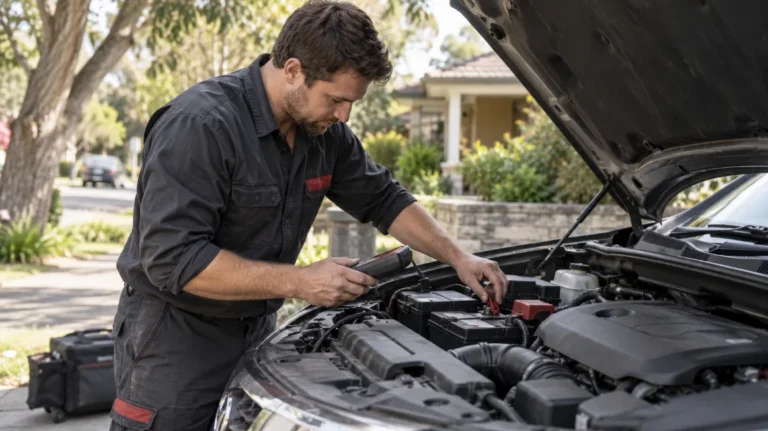
This can be the practical choice when the car has to stay with the seller. Ask how the underside can be viewed, whether a road test is allowed and whether travel is included in the price.
At a workshop
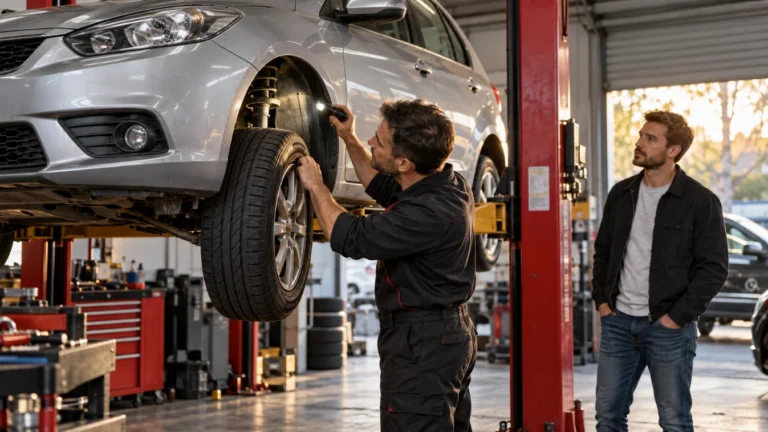
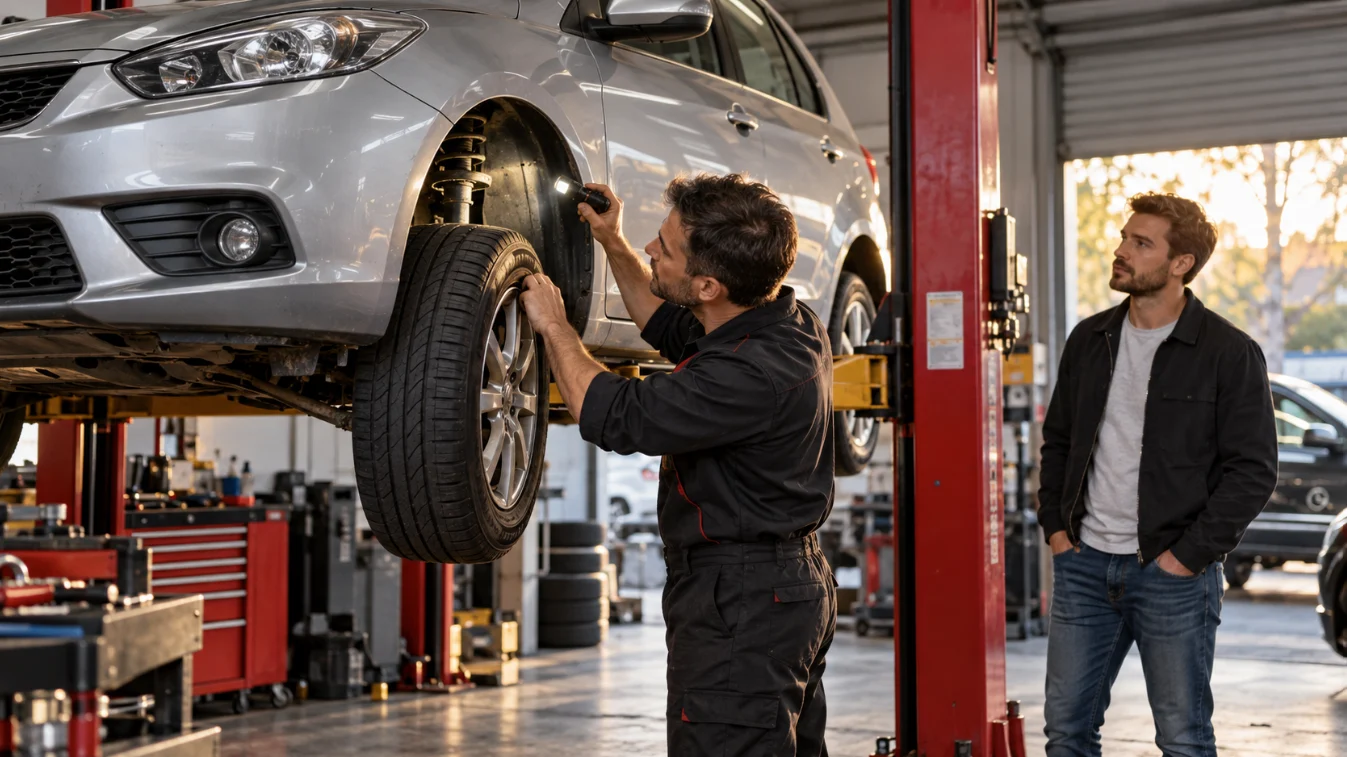
If the seller can bring the car in, ask whether a hoist, a road test and the written report are included. Workshop access often allows a closer look underneath, but confirm what the provider will actually do.
Before booking, confirm the total charge (including any travel fee and GST), the report you will get and whether a scan or targeted test costs extra. If a seller will not allow the agreed access, ask the provider what happens to the appointment fee. The useful comparison is the price for the examination that can actually take place, not just the lowest number on a screen.
02 / The examination
What is usually checked, and what needs confirming?
Providers set their own packages. A useful inspection brings several methods together, each answering a different question.
See and operate
The inspector looks over accessible body panels, the engine bay, tyres, brakes, cabin equipment and any visible underbody areas, then checks functions that can be operated safely.
Ask how the underbody will be viewed. A ground level view is different from access to a hoist.
Start and drive
A cold start and road test, when permitted, can show noises, steering behaviour, braking feel, gear changes and temperature behaviour that a parked car may not reveal.
Confirm that the seller permits the drive and that the vehicle is registered and safe to use on the road.
Scan or measure
Some packages include a scan of compatible vehicle systems. A provider may also carry out specific measurements or recommend more detailed testing.
Ask which systems are included. Reading a stored code does not establish the full cause of a fault.
A written report should make the method clear. “Not checked” is useful information when it explains an access limit, rather than leaving you to assume the car passed a test that never took place.
03 / The blind spots
What can an inspection miss?
A standard inspection is generally visual and functional. It does not routinely involve dismantling an engine, opening a transmission or removing interior trim. Even a careful inspector can only report on the conditions available during the appointment.
- Intermittent faults: a problem that only shows up after a long drive, in heavy rain or under a particular load may not appear during a short visit.
- Concealed or internal wear: components hidden behind covers and faults that need pressure, compression or specialist testing may need another appointment.
- Limited access: a car that cannot be moved, lifted or driven leaves less evidence about its underbody and road behaviour.
- Specialist systems: a standard report should not be assumed to assess the health of an electric vehicle’s main drive battery.
Check the history separately
An inspection of the car does not automatically include an official finance or stolen vehicle search. Use the Australian Government PPSR service with the correct VIN, and check NSW registration details through Service NSW. Ask whether any history report is included in the inspection package before assuming it is.
A pre purchase inspection is also different from a NSW registration safety check. If you need to understand that process, see Servistar’s pink slip guide.
04 / The result
How to read a report that leaves a question open
The most useful report separates an observed condition from a possible explanation. It should also tell you when another test is required.
“Coolant staining visible near the water pump. No active leak seen during the stationary check.”
That note identifies an observation. It does not prove that the water pump has failed or that the staining is harmless. Ask the inspector whether a cooling system pressure test or a longer check is the sensible next step before making a purchase decision.
If the report says “unable to test”, find out why. A road test may have been unavailable because the seller did not permit it or the car could not legally or safely be driven. The limitation matters more than a neat overall rating.
For a possible used electric vehicle, ask whether the report includes a dedicated traction battery assessment. Servistar has a separate used EV battery health guide for that decision.
05 / Before the appointment
Use one clear brief to compare providers
When looking for an inspection through Servistar, provide the registration if you have it, or the make, model and year, along with the seller’s suburb. Say whether the car can be taken to a workshop and mention any warning lights or faults the seller has disclosed. Then use the same four questions for the options you are considering.
01 Will the car be inspected on a hoist or where it is parked?
02 Is a road test included, and has the seller agreed to it?
03 Is a diagnostic scan included for this vehicle?
04 Will the written report identify checks that could not be completed?
Arrange the seller’s permission and ask for the report to be sent to you. For a broader local buying checklist, read Servistar’s Brookvale and Northern Beaches guide. NSW Fair Trading also recommends using a licensed mechanic for a used vehicle inspection; you can check a NSW repairer licence.
Common questions
Before you decide
Does a higher inspection fee mean every part is tested?
No. The fee alone does not tell you whether the provider can lift the car, complete a road test or examine a specific fault. Confirm the package and the vehicle’s access conditions.
What if the inspector recommends further diagnosis?
Ask which observation led to that recommendation, what remains uncertain and which test would answer the question. An inspection can identify a concern without establishing the exact repair it needs.
Can a clean inspection report guarantee the car will be reliable?
No. It describes the condition the inspector could assess at the time. Wear can develop later, and an intermittent or concealed problem may not appear during the appointment.