
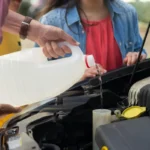

Prepare your car for Sydney summer with practical checks for coolant, battery, tires and air conditioning, plus a simple pre-trip breakdown-prevention plan.
A Sydney summer breakdown rarely feels dramatic at first. The air conditioning isn’t quite as cold as it used to be. The battery turns the engine over a little more slowly. One tyre looks slightly low before a weekend drive. Then the temperature climbs, traffic grinds to a halt, and that small issue suddenly leaves you stuck on the side of the road.
Summer car preparation isn’t about replacing parts just because December has rolled around. It’s about spotting the weak points before the heat, heavy traffic and a fully loaded road trip find them for you.
The smartest approach mixes your manufacturer’s recommended service schedule with some practical, targeted checks on the cooling system, battery, tyres, air conditioning and emergency supplies.
Look for overdue maintenance and any unresolved warning signs.
Tyres, fluids, battery, lights and air conditioning.
Slow starting, rising temperature or weak cooling need attention.
Carry water, charge your phone and check road conditions.
Sydney heat is not the only problem
Sydney’s average summer maximum sits around the mid-to-high twenties, but some days can climb well beyond that. Heat is only part of the story. Slow traffic cuts airflow through the radiator, the air conditioning works harder, and a car packed with people and gear simply has more to do.
A healthy, well-maintained car is built to cope with normal summer driving. Hot weather usually just reveals an ageing battery, low coolant, damaged tyre, weak fan or overdue service — it rarely creates the problem from scratch.
Skip the universal maintenance calendar. Coolant, engine oil, transmission fluid, belts and other service items do not all follow the same schedule across every vehicle. Check the owner’s manual or logbook and use the time or kilometre interval specified for your car.
Your summer maintenance ledger
Work through the vehicle system by system. This is far more useful than relying on a generic “summer tune-up” package.
Check the coolant level only when the engine is cold. Look for staining, damp areas, cracked hoses or a sweet smell. If the temperature gauge has crept higher than normal, the fan runs constantly or coolant keeps disappearing, get it properly diagnosed before a long drive.
Heat speeds up battery ageing. Slow cranking, repeated jump-starts, electrical warning lights or a battery that’s nearing the end of its expected life are all good reasons to have it tested instead of waiting for a no-start morning.
Check tyre pressures when the tyres are cold and use the pressure shown on the vehicle placard — not the maximum printed on the tyre sidewall. Inspect the tread and sidewalls for cuts, cracks, bulges or uneven wear, and don’t forget the spare or repair kit.
If the system takes too long to cool the cabin, blows warm at idle or makes unusual noises, have it checked before the really hot days hit. Air conditioning generally needs diagnosis when performance changes — not an automatic refrigerant top-up every year.
Make sure the car isn’t overdue for its scheduled service. The right engine oil helps with lubrication and heat management, but changing it early without reference to the manufacturer’s schedule isn’t a substitute for a proper overall inspection.
Listen for brake noise, check that all the lights work and replace wiper blades that smear or skip. Summer still brings storms, spray and reduced visibility, especially on longer drives.
The 10-minute check before a long drive
Do this with enough time left to arrange repairs. Ten minutes on the morning of departure is too late if you discover a leak or damaged tyre.
- Check the cold tyre pressures and visible tyre condition
- Confirm the spare tyre or repair kit is usable
- Check coolant and engine-oil levels as directed by the manufacturer
- Look underneath the parked car for fresh fluid
- Test headlights, indicators and brake lights
- Make sure the air conditioning cools normally
- Listen for slow cranking or unusual starting noises
- Check the windscreen washer fluid and wipers
- Secure luggage so it cannot move during hard braking
- Confirm roadside assistance and emergency contact details
What to keep in the car on a hot-weather trip
The priority is looking after the people in the vehicle while help is on the way. Carry drinking water for every passenger, especially on regional routes.
Do not open a hot radiator cap or pour cold water into an overheated engine. Stop safely, switch the engine off and allow it to cool before the cooling system is assessed.
Build the schedule around your actual car
The original maintenance table in this article used fixed rules such as “flush coolant every two years” and “check air-conditioning refrigerant annually”. Those intervals are not universal.
A more reliable schedule uses three sources:
- The manufacturer’s logbook: for scheduled servicing, fluids and replacement items.
- The vehicle’s condition: for leaks, unusual noises, warning lights and changes in performance.
- Your next journey: for checks that matter before heavy traffic, towing or a long regional trip.
That approach prevents unnecessary work while making it less likely that a real fault is ignored because it is “not due yet”.
Useful Servistar service options before summer
Servistar helps drivers enter their vehicle, location and service needs, then compare available mechanics or workshops and manage bookings online.
Get the car checked before the temperature climbs
Compare servicing and repair options through Servistar before a small warning sign becomes the reason your summer trip stops early.
Explore Car ServicesCommon summer car-care questions
Should I change the coolant before every summer?
No. Follow the coolant specification and replacement interval for your vehicle. Have the system checked sooner if the coolant is contaminated, the level drops, the engine runs hot or there is evidence of a leak.
Does hot weather cause car batteries to fail?
Heat accelerates internal battery deterioration. The actual no-start may occur later, but summer can expose a battery that was already ageing or weak.
Should tyre pressures be lowered in hot weather?
No. Check the tyres when cold and inflate them to the vehicle manufacturer’s placard recommendation. Do not deliberately lower the pressure to compensate for warm conditions.
How early should I organise a pre-trip service?
Leave enough time for parts and repairs if the mechanic finds a problem. A week or two before a major journey is more practical than the day before departure.
Is an air-conditioning service part of every logbook service?
Not necessarily. The system may be checked for operation, but refrigerant diagnosis and repair are generally separate when the air conditioning is not cooling correctly.
What should I do if the car overheats during the trip?
Move to a safe location, switch the engine off and let it cool. Do not open the hot radiator cap. Arrange roadside or mechanical assistance if the warning persists, coolant is leaking or you are unsure whether the vehicle is safe to continue driving.
Final thought
The most effective summer maintenance is rarely dramatic. It’s a correctly inflated tyre, a battery tested before it fails, a cooling-system leak repaired early and a scheduled service completed before the family is packed into the car.
Prepare around the condition and service history of your vehicle, not a generic seasonal timetable. That gives you a much better chance of spending summer at the destination instead of waiting beside the road.
Sydney climate context: Bureau of Meteorology long-term climate statistics. Image credit: MART PRODUCTION via Pexels.
